
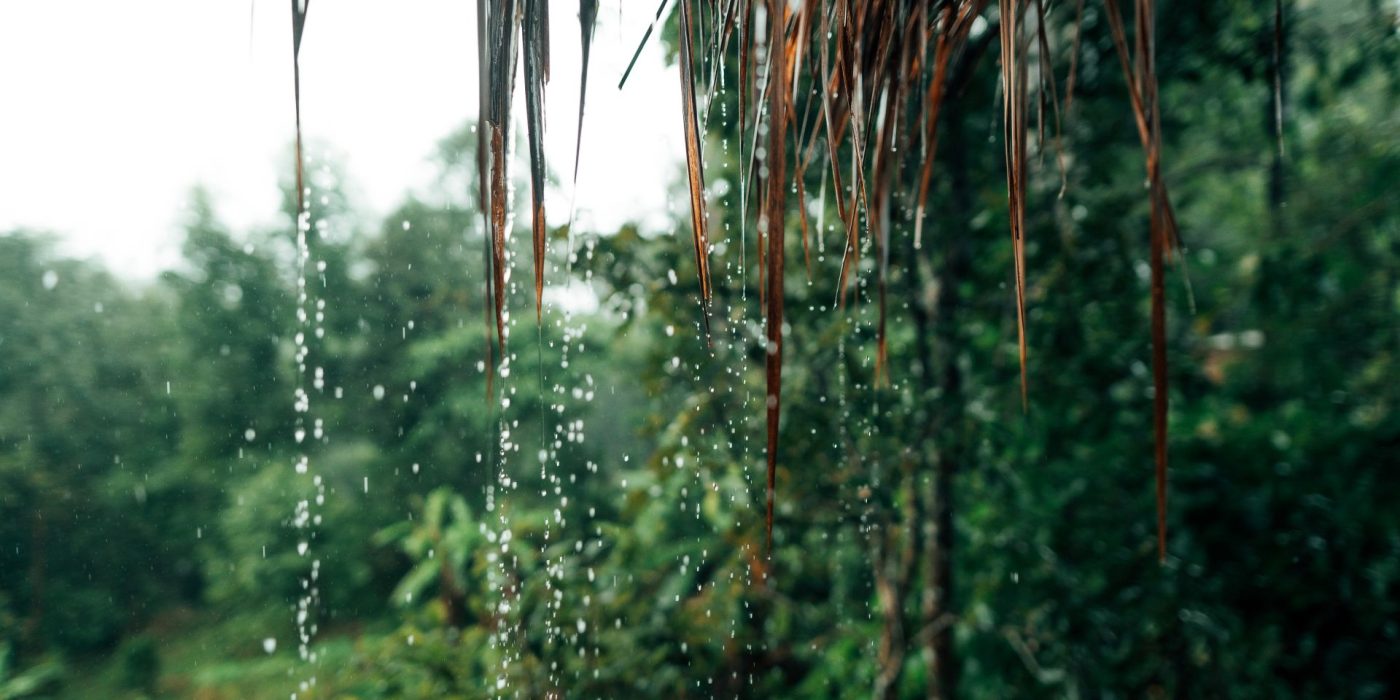
After months of rain, many homeowners in Guanacaste expect their gardens to look healthier than ever. The dry season has finally ended, water has returned to the landscape, and plants have had months of moisture to grow. Yet when the rains begin to slow, some property owners notice something surprising – parts of their garden still look stressed.
Leaves may turn yellow or brown. Plants may stop producing new growth. Lawns can develop thin or unhealthy areas. Some plants begin to wilt even though they have received plenty of rain. Others may die suddenly after appearing healthy throughout the wet season.
It can be confusing. If the garden received so much water, why does it look unhealthy?
The answer is that more water does not always mean healthier plants. In tropical landscapes, prolonged rainfall can create an entirely different set of challenges. Overwatering, compacted soil, poor drainage, fungal growth, root rot, and irrigation systems that are not properly adjusted during and after the rainy season can all cause significant stress.
Understanding how these issues affect your landscape is an important part of successful landscaping in Guanacaste, Costa Rica. A healthy tropical garden requires more than planting beautiful trees and flowers and waiting for nature to do the rest. It requires attention to how water moves through the property, how the soil responds to seasonal changes, and how individual plants perform throughout the year.
Too Much Water Can Be Just as Damaging as Too Little
During Guanacaste’s long dry season, irrigation is often essential to maintaining healthy gardens. Once the rainy season begins, however, many homeowners forget to adjust their irrigation systems.
Automatic sprinklers may continue running according to dry-season schedules while the garden is already receiving significant rainfall. In some cases, plants that are perfectly adapted to the dry season suddenly receive far more water than they need. The result can be stressed roots, nutrient loss, fungal problems, and unhealthy plant growth.
This is why professional tropical garden maintenance should change with the seasons. A watering schedule that works in March may be completely inappropriate in September.
Understanding the importance of irrigation systems in Costa Rica means recognizing that irrigation is not simply about turning water on and off. A properly managed system should respond to the changing needs of the landscape.
After prolonged periods of rain, Vida Verde can inspect irrigation systems and make adjustments based on the condition of the garden. Sprinkler zones may need to be reduced, temporarily shut off, or reprogrammed to prevent unnecessary watering. As the rainy season begins to end, those settings may need to change again.
Understanding how irrigation systems work in Costa Rica is especially important because Guanacaste experiences dramatic seasonal differences. A landscape that receives abundant rain for months may eventually transition into an extended period of dry weather. Regular adjustments help plants receive the water they need without creating additional stress.
Poor Drainage Can Leave Roots Struggling to Breathe
One of the most common reasons a garden looks unhealthy after the rainy season is poor drainage.
Plants need water, but their roots also need oxygen. When soil remains saturated for extended periods, the spaces between soil particles fill with water. Roots can struggle to access the oxygen they need to function properly.
This creates a stressful environment below the surface even when the plant appears to have plenty of water.
Signs of poor drainage can include:
- Yellowing leaves
- Wilting despite wet soil
- Slow or stunted growth
- Mushy stems near the base of plants
- Sudden leaf drop
- Persistent puddles around the property
Poor drainage can be caused by several factors. Some properties have naturally heavy soils that hold water. Others have been graded in ways that allow water to collect around planting beds, patios, or the home’s foundation. Compacted soil can also prevent rainwater from moving through the ground efficiently.
Discover Vida Verde’s excavation, irrigation, and property maintenance solutions HERE.
A professional drainage assessment can identify where water is collecting and why. In some cases, the solution may involve improving the slope of the property, creating drainage pathways, modifying planting areas, or installing retaining features that help manage water movement.
Addressing drainage problems is not only important for plants. Standing water around the home can also contribute to erosion, mosquito activity, and long-term property maintenance concerns.
Compacted Soil Can Prevent a Garden from Recovering
A garden may receive plenty of rain and still struggle because the soil itself is unhealthy. Compacted soil is especially common on newly constructed properties. Heavy equipment, construction activity, foot traffic, and repeated use of machinery can compress the soil and reduce the open spaces that normally allow air and water to move.
When soil becomes compacted, plant roots have difficulty expanding. Rainwater may run across the surface instead of soaking evenly into the ground. In other cases, water may collect in the upper layers while deeper roots remain unable to access the oxygen they need. Compaction can also make it more difficult for plants to absorb nutrients.
This is one reason why landscaping should involve more than simply digging a hole and placing a new plant into the ground. Soil preparation is an important part of long-term plant health.
Depending on the property, soil improvement may involve loosening compacted areas, adding organic material, improving planting beds, or selecting plants that are better suited to the existing conditions.
A professional plant health assessment can help determine whether the problem is related to soil, drainage, disease, pests, or irrigation.
Without identifying the actual cause, homeowners may continue adding water, fertilizer, or replacement plants without solving the underlying issue.
Root Rot Begins Below the Surface
One of the most frustrating tropical garden problems is root rot because the damage begins where homeowners cannot see it. When roots remain in saturated soil for too long, they become vulnerable to decay and disease. Once the root system is damaged, the plant can no longer efficiently absorb water and nutrients.
Ironically, a plant suffering from root rot may appear wilted – like it needs water.
Homeowners sometimes see the wilting and assume the plant needs more water, but adding additional water can make the problem worse.
Other signs of root problems can include yellowing leaves, soft stems, slowed growth, leaf drop, or an unpleasant smell coming from the soil around the base of the plant.
Early identification is important. Depending on the severity of the problem, improving drainage and reducing excess moisture may help prevent additional damage.
This is another reason regular landscape maintenance is so valuable. Professional maintenance teams can identify changes in plant health before the problem spreads or the plant becomes too damaged to recover.
Fungal Problems Thrive in Wet Conditions
The rainy season creates the lush green environment that makes Guanacaste so beautiful, but the combination of moisture, humidity, and warm temperatures can also create ideal conditions for fungal problems.
Plants with dense growth may not receive enough airflow. Fallen leaves and organic debris can remain wet for extended periods. Overcrowded planting areas may hold moisture around stems and leaves.
Fungal issues can affect leaves, stems, roots, and soil. The best approach is often prevention. Proper spacing between plants allows better airflow. Regular pruning removes damaged or overly dense growth. Landscape maintenance also includes removing decaying plant material that can create additional problems.
Healthy plants are generally better able to withstand environmental stress, but even a well-maintained garden can experience problems during extended periods of rain. Professional inspections allow issues to be addressed before they affect larger sections of the property.
The Rainy Season Can Reveal Hidden Problems
One of the most valuable things about the rainy season is that it often reveals weaknesses in a property’s landscape design.
Water will show you where drainage is poor.
Heavy rainfall may reveal that a patio does not direct water away from the house. It may expose areas where soil is washing away, where planting beds are becoming saturated, or where compacted ground prevents proper absorption. Rather than viewing these issues as isolated landscaping problems, they should be considered part of the overall property.
For example, a garden that repeatedly becomes saturated may need more than new plants. The solution could involve improving drainage around the area, modifying grading, building a retaining feature, or changing the type of plants used in that location.
This is where working with a company that understands both landscaping and property construction can be particularly valuable.
Vida Verde provides landscaping in Guanacaste, Costa Rica, along with services that support the entire outdoor environment. From landscape maintenance and irrigation adjustments to drainage solutions, lot clearing, retaining walls, patios, and plant selection, our team can look beyond the immediate symptoms and consider the larger cause.
Let Vida Verde Look Beyond the Surface
A stressed garden after the rainy season does not necessarily mean your plants need more water. The real issue could be too much water, poor drainage, compacted soil, root damage, fungal growth, or an irrigation system that has not been adjusted to changing weather conditions.
At Vida Verde Landscaping, we understand that successful landscaping in Guanacaste, Costa Rica, requires more than planting beautiful gardens. Our team considers the entire outdoor environment, including soil health, drainage, irrigation, plant selection, seasonal conditions, and ongoing maintenance.
We provide irrigation inspections and adjustments, drainage solutions, soil improvement, plant health assessments, and professional landscape maintenance designed for Guanacaste’s tropical climate.
If your garden looks stressed during or after the rainy season, don’t simply replace the plants and hope for the best. Let Vida Verde help identify what is happening beneath the surface and develop a solution that supports healthier growth throughout the year.
Contact Vida Verde for a free consultation on WhatsApp at +(506) 8301-5944 or email at info@vidaverde-landscaping.com.
By Jennifer LaCharite, Costa Consultants International