
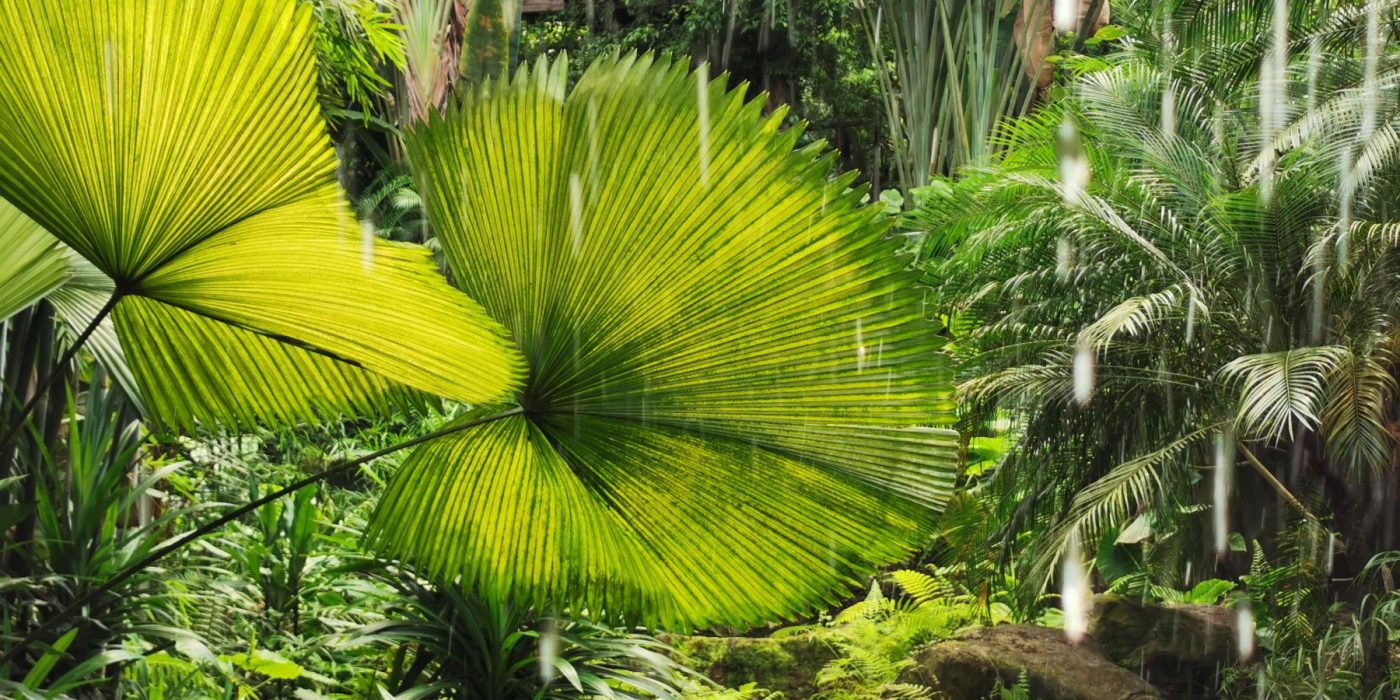
The rainy season in coastal Guanacaste, Costa Rica, transforms the dry, sunbaked landscape into a lush, green paradise. But this dramatic seasonal shift also brings challenges for property owners and gardeners alike. Whether you manage a private home or a commercial property, proper planning and maintenance are key to ensuring your green spaces thrive during the rains.
At Vida Verde Ecosystem Services, we specialize in Costa Rica landscaping that stands up to the country’s unique climate. Here’s how to prepare your landscape for the rainy season and how to maintain it once the rains begin.
Preparing Your Costa Rica Landscape for the Rainy Season
The rainy season in Guanacaste typically runs from May to November, with the most intense rains falling between September and October. Preparation can begin before the first rains arrive.
- Drainage Is Everything
One of the most important rainy season tasks is ensuring proper drainage. Poor drainage can lead to flooding, erosion, root rot, and damage to walkways and foundations.
Key drainage techniques used in Costa Rica landscaping include:
- French drains: Trenches filled with gravel and perforated pipes to redirect water away from buildings and plant beds.
- Dry creek beds: Attractive and functional, these mimic natural waterways and channel excess water during heavy downpours.
- Swales and berms: Shallow, vegetated channels (swales) and raised areas (berms) slow and redirect water flow, helping absorb runoff into the soil.
- Permeable surfaces: Using materials like gravel, permeable pavers, or sand-set stone for patios and walkways allows water to seep into the ground rather than pooling.
A site inspection by a professional landscaping team, like Vida Verde, can identify drainage risks before they become costly issues.
- Irrigation System Adjustments
Yes, even during the rainy season, irrigation plays a role, especially in the early weeks when rainfall is still sporadic or in protected areas that receive less moisture.
It’s a common misconception that rain alone is enough to hydrate your plants all season long. But if your landscape has an efficient drainage system, rainwater may run off quickly before your plants can absorb it. That’s why it’s still important to monitor moisture levels and water plants occasionally.
TIP: To determine if your plants need watering, use the finger test: push your finger a few inches into the soil near your plants. If the soil feels damp, you can skip watering. If it’s dry or crumbly, it’s time to give your plants a drink.
Before the rains begin:
- Inspect your irrigation system for leaks, clogs, or uneven coverage.
- Install or calibrate rain sensors so the system shuts off automatically while it’s raining.
- Switch to seasonal watering schedules that adjust flow rates and duration based on rainfall patterns.
Smart irrigation controllers, now commonly used in gardening in Costa Rica, can help manage water use effectively, conserving water while keeping plants healthy.
- Soil Conditioning and Mulching
Healthy soil absorbs water better. Consider:
- Aerating compacted soil to allow water and nutrients to reach plant roots.
- Adding compost or organic matter to improve soil structure and increase absorption.
- Applying mulch around trees, shrubs, and garden beds to reduce erosion, suppress weeds, and retain soil moisture.
Mulch also helps prevent the hard crust that can form when intense rains compact the soil.
Landscape Maintenance During the Rainy Season
Once the rains begin, your landscape will change quickly, and so should your maintenance strategy.
- Monitor for Erosion and Washouts
Heavy rains can lead to soil erosion, especially on slopes or poorly planted areas. After a major rain, walk your property and look for:
- Washed-out mulch or gravel
- Exposed roots
- Sediment buildup in drains or low-lying areas
Solutions may include installing erosion-control fabrics, planting deep-rooted ground cover, or adding retaining features like stone borders or living fences.
- Pruning and Plant Management
Rain accelerates growth, but not always in a good way. Fast-growing vines, hedges, and grass can quickly get out of control during the rainy season.
- Prune trees and shrubs regularly to prevent branches from breaking under water weight.
- Clear fallen leaves and debris to avoid fungal growth and blockages in drains.
- Weed weekly – the warm, moist soil is ideal for unwanted plant growth.
For commercial properties, clean and tidy landscaping also helps maintain curb appeal during the lush but messy wet season.
- Lawn and Grass Care
Grass grows rapidly in the rainy season. While you may have to trim more often, don’t cut too short. Taller grass provides better shade to roots and reduces runoff. Choose turf varieties suited to gardening in Costa Rica, such as:
- Zoysia grass – tolerant of both sun and shade, and resists erosion.
- Bahia grass – drought- and disease-resistant, with a deep root system ideal for sloped or sandy areas.
Avoid mowing wet grass when possible to prevent soil compaction and uneven cuts.
Plants That Thrive in Coastal Guanacaste’s Wet Season
Costa Rica landscaping benefits from a tropical climate with rich biodiversity. During the rainy season, certain plants truly come alive. These native and well-adapted species are ideal for private gardens and commercial properties alike:
Flowering Plants:
- Heliconias – Colorful and dramatic, they love rain and thrive in partial shade.
- Gingers – Ornamental and fragrant, with vibrant red or pink blooms.
- Ixora – Bright clusters of flowers and low-maintenance foliage.
Shrubs and Ground Cover:
- Lantana – Hardy, fast-growing, and a magnet for butterflies.
- Wedelia – A ground cover that handles rain and suppresses weeds.
- Crotons – Add vibrant color with their variegated leaves.
Trees:
- Guachipelín (Diphysa americana) – Native to Guanacaste, with yellow flowers and sturdy roots.
- Madero negro (Gliricidia sepium) – Offers quick shade and supports biodiversity.
- Corteza Amarilla (Tabebuia ochracea) – A seasonal favorite with stunning yellow blooms at the end of dry season and into the rains.
Professional Landscaping in Guanacaste Costa Rica
Maintaining a vibrant, functional, and safe landscape during the rainy season in Guanacaste requires preparation, vigilance, and the right plant choices. Whether you own a private villa in Tamarindo or manage a commercial property in Playa Flamingo, tailored solutions make all the difference.
At Vida Verde, we bring years of local experience to every project—from drainage design and irrigation installation to seasonal planting and maintenance. We understand the demands of gardening in Costa Rica and provide eco-conscious, sustainable landscaping that enhances your space year-round.
Need help preparing your property for the rainy season? Contact Vida Verde today for a site consultation. Let us help your landscape thrive through every season in paradise. Contact us at info@vidaverde-landscaping.com or +506 8301 5944.
Blog by: Jennifer LaCharite – Costa Consultants, International